

Introduction
AI smart speakers have evolved far beyond simple music players. In 2026, they serve as the central nervous system of the modern smart home — controlling lights, answering questions, managing schedules, and even monitoring your health. Whether you want a compact bedside assistant or a powerful kitchen hub, today’s AI voice assistants adapt to every room and every lifestyle. With built-in large language models, improved multi-room audio, and deeper smart home integration, choosing the right speaker matters more than ever. This guide breaks down the best AI smart speakers available right now, covering every budget, room size, and use case so you can find the perfect fit for your connected home.
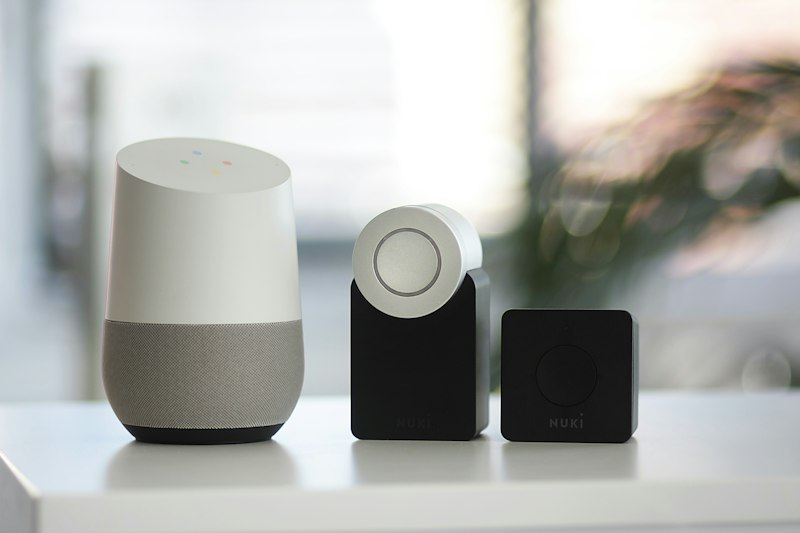
What Makes a Smart Speaker “AI-Powered” in 2026?
The term “smart speaker” used to mean a device that could play Spotify and set timers. In 2026, AI-powered speakers go much further. They use on-device neural processing to understand context, remember preferences, and handle multi-turn conversations without sending everything to the cloud. The latest chips from Qualcomm and Amazon’s custom silicon allow real-time language processing locally, reducing latency and improving privacy. Modern AI speakers can distinguish between household members by voice, proactively suggest actions based on routines, and even summarize your morning news into a two-minute briefing.
Key benefits include:
- Faster, more natural voice recognition with fewer false activations
- Personalized responses based on who is speaking
- On-device processing for improved privacy and speed
- Seamless integration with Matter, Thread, and Zigbee smart home devices
- Proactive suggestions based on habits, calendar, and location
Real-world use case: You walk into the kitchen at 7 AM. Your AI speaker greets you by name, reads your calendar, suggests an umbrella based on the forecast, and starts your coffee maker — all before you say a word.
Best AI Smart Speakers: Top Picks for 2026
After testing dozens of models across different rooms and scenarios, these are the standout AI smart speakers that deliver the best combination of sound quality, smart features, and value.
Amazon Echo Hub (2026)
The Amazon Echo Hub is the ultimate smart home control center. With an 8-inch touchscreen, built-in Zigbee and Thread radios, and Alexa’s latest AI engine, it replaces multiple devices in one sleek panel. It handles video calls, displays live camera feeds, and manages routines with a tap or voice command. The screen makes it ideal for kitchens, hallways, or entryways where you want both visual and voice control.
Main benefit: All-in-one smart home dashboard with voice and touch control.
Apple HomePod (2nd Generation)
For households deep in the Apple ecosystem, the HomePod (2nd Gen) remains the gold standard. It delivers room-filling spatial audio powered by the S7 chip, supports Siri with improved contextual awareness, and acts as a Thread border router for HomeKit devices. The sound quality is remarkably rich for its size, and the seamless handoff with iPhone, iPad, and Apple TV makes it a natural fit for Apple users who want premium audio and tight ecosystem integration.
Main benefit: Best-in-class audio quality and seamless Apple ecosystem integration.

Sonos Era 300
The Sonos Era 300 is built for audiophiles who also want AI smarts. Its six-driver array creates true spatial audio with Dolby Atmos support, filling large rooms with immersive sound. It supports both Amazon Alexa and Sonos Voice Control, giving you flexibility without locking into one ecosystem. The Era 300 also integrates with the Sonos multi-room system, making it the backbone of a whole-home audio setup that sounds incredible everywhere.
Main benefit: Premium spatial audio with Dolby Atmos for immersive listening experiences.
Amazon Echo (4th Generation)
The standard Amazon Echo remains the best value smart speaker on the market. The spherical design houses a 3-inch woofer and dual tweeters that deliver surprisingly rich sound for its price. With built-in Zigbee and Sidewalk support, it doubles as a smart home hub. The latest Alexa AI improvements make multi-step routines and contextual follow-ups feel genuinely conversational. At its price point, nothing else offers this much capability.
Main benefit: Best value smart speaker with built-in smart home hub capabilities.
Google Nest Hub Max
Google’s Nest Hub Max pairs a 10-inch display with Google Assistant’s powerful AI engine. It features a built-in Nest camera for video calls and home monitoring, along with Continued Conversation support that lets you have natural back-and-forth exchanges without repeating the wake word. The display shows proactive cards — weather, commute times, calendar events — and it doubles as a digital photo frame when idle. For Google Home users, this is the most capable screen-based assistant available.
Main benefit: Best Google-powered smart display with built-in Nest camera.
How to Choose the Right AI Smart Speaker for Each Room
Not every room needs the same speaker. Matching the device to the space ensures you get the best experience without overspending.
Kitchen
Choose a speaker with a display so you can follow recipes, view timers, and make video calls while cooking. The Amazon Echo Show or Google Nest Hub Max are ideal. Look for splash resistance and easy-clean surfaces.
Living Room
Prioritize sound quality. The Sonos Era 300 or Apple HomePod deliver room-filling audio for music, movies, and podcasts. If you use a Fire TV or Apple TV, choose a speaker from the same ecosystem for seamless home theater integration.
Bedroom
Go compact and ambient. A smaller Echo Dot or HomePod Mini works perfectly as an alarm clock, sleep sounds player, and voice-controlled light switch. Avoid bright screens unless you want a smart display with a night mode.
Home Office
Pick a speaker with clear microphone arrays for video calls and hands-free task management. The Echo Hub or a Nest Hub Max on your desk gives you quick access to calendars, reminders, and smart home controls without interrupting your workflow.
Privacy and Security Considerations for AI Speakers
With always-listening microphones in your home, privacy is a legitimate concern. The good news is that 2026 models have made significant strides. Most major brands now offer physical mic-mute buttons, on-device processing for sensitive commands, and transparent data controls through companion apps. Apple leads with the strongest privacy stance — Siri requests are processed on-device by default and never tied to your Apple ID. Amazon and Google have improved their privacy dashboards, letting you review and delete voice recordings easily.
Best practices for privacy:
- Use the physical mute button when you don’t need the assistant active
- Review voice recording history monthly and delete old entries
- Enable multi-user voice recognition so the speaker personalizes without sharing data across accounts
- Place speakers away from sensitive areas like home offices where confidential calls happen
- Choose brands that support on-device processing over cloud-dependent models
Real-world use case: A family sets up voice profiles for each member. The speaker recognizes who is asking and only accesses that person’s calendar, music preferences, and reminders — keeping each family member’s data separate and private.
The Future of AI Voice Assistants: What’s Coming Next
The next wave of AI speakers will blur the line between assistant and companion. Expect speakers that can detect emotional tone and adjust responses accordingly, understand complex multi-room commands in a single sentence, and integrate with wearable health data to offer proactive wellness suggestions. Matter 1.2 and Thread advancements will make smart home setup nearly plug-and-play, eliminating the frustration of device compatibility. Large language models running on-device will let your speaker summarize documents, draft messages, and even tutor your children — all without an internet connection. The smart speaker of 2027 won’t just respond to commands; it will anticipate needs.
Conclusion
AI smart speakers in 2026 are more capable, more private, and more versatile than ever. Whether you’re building your first smart home or upgrading an existing setup, choosing the right speaker for each room transforms how you interact with technology daily. Start with one or two speakers in high-traffic areas, then expand as you discover what voice-first computing can do for your routine. The AI revolution in the home isn’t coming — it’s already here. Explore these technologies, experiment with routines, and find out how much simpler your day can become with the right voice assistant at your side.
Disclosure: This article contains affiliate links. If you purchase through our links, we may earn a small commission at no extra cost to you. This helps support our content creation. Thank you!
Tip: compare 2–3 options before buying and always check active promotions.