
Introduction
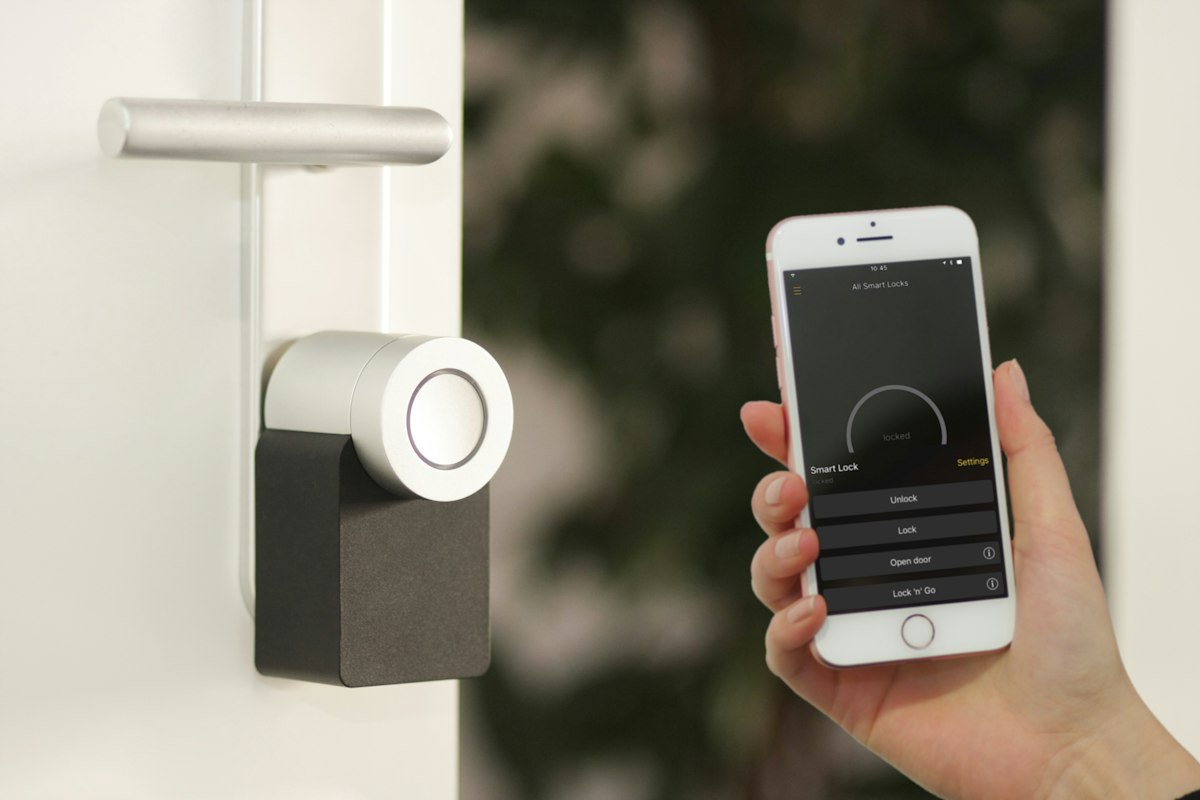
Traditional keys are becoming obsolete. As we move deeper into 2026, AI-powered smart locks are redefining what home security means. These intelligent devices go far beyond simple keyless entry — they learn your habits, recognize faces, detect suspicious behavior, and integrate seamlessly with your smart home ecosystem. Whether you’re at work, on vacation, or just upstairs, you can monitor and control your front door from anywhere in the world.
The latest generation of smart locks combines biometric authentication, machine learning algorithms, and real-time alert systems to deliver security that traditional deadbolts simply cannot match. In this guide, we explore the best AI smart locks available in 2026, their standout features, and how to choose the right one for your home. We’ve tested and researched the top models to help you make an informed decision that balances convenience, security, and value.
How AI Transforms Smart Lock Security
AI-powered smart locks represent a quantum leap over conventional electronic locks. Instead of simply responding to a code or a card swipe, these devices continuously analyze patterns and anomalies. Machine learning models embedded in the lock’s firmware can distinguish between normal household activity and potentially threatening behavior.
Key benefits of AI in smart locks:
- Behavioral analysis: The lock learns when you typically arrive and leave, flagging unusual access patterns.
- Facial recognition: Some models use depth-sensing cameras to identify family members and trusted visitors.
- Threat detection: AI algorithms can detect lock-picking attempts, forced entry signals, and relay attacks.
- Voice assistant integration: Works with Alexa, Google Assistant, and Siri for hands-free control.
Real-world use case: A family in Austin, Texas reported that their AI smart lock sent an alert at 2 AM when someone attempted to tamper with the lock. The system automatically activated the outdoor cameras and sent a live feed to the homeowners’ phones and the local police department.

Best AI Smart Locks to Buy in 2026
After extensive research and testing, these are the top AI smart locks that stand out in 2026 for their reliability, features, and value:
1. August Wi-Fi Smart Lock (4th Generation)
The August Wi-Fi Smart Lock remains a top pick for its seamless retrofit design and robust AI features. It fits over your existing deadbolt, making installation a breeze. The built-in Wi-Fi means no additional hub is required.
- Key benefit: Auto-lock and auto-unlock using AI-powered geofencing that learns your routines.
- Compatibility: Works with Alexa, Google Assistant, Apple HomeKit, and Samsung SmartThings.
- Security: Two-factor authentication, biometric unlock, and activity logging.
2. Ultraloq U-Bolt Pro Wi-Fi
The Ultraloq U-Bolt Pro is a 6-in-1 keyless entry system with built-in AI fingerprint recognition that improves accuracy over time. It stores up to 100 fingerprints and responds in under 0.3 seconds.
- Key benefit: AI-enhanced fingerprint sensor that adapts to slight changes in finger conditions (dry, wet, dirty).
- Compatibility: Alexa, Google Assistant, IFTTT, and SmartThings.
- Security: Anti-peep keypad, auto-lock, and tamper alerts.
3. eufy Smart Lock Touch & Wi-Fi
eufy’s smart lock combines fingerprint unlock with Wi-Fi connectivity and an AI-driven security dashboard. It offers local processing, meaning your biometric data never leaves the device — a critical privacy feature.
- Key benefit: On-device AI for facial and fingerprint processing ensures maximum privacy.
- Compatibility: Alexa, Google Assistant, and the eufy Security app.
- Security: Bank-grade AES128 encryption, auto-lock, and one-touch locking.
4. Yale Assure Lock 2 Plus
Yale’s Assure Lock 2 Plus brings Matter support to smart locks, ensuring future-proof compatibility across all smart home platforms. Its AI-driven access management lets you create smart schedules for guests, cleaners, and delivery personnel.
- Key benefit: Matter-compatible with AI-powered guest access scheduling and temporary codes.
- Compatibility: Apple HomeKit, Google Home, Alexa, Samsung SmartThings, and Matter.
- Security: ANSI/BHMA Grade 2 certification, tamper-proof design.
5. Lockly Visage Zeno Series
The Lockly Visage is the most advanced smart lock on this list, featuring AI facial recognition with 3D depth mapping, palm vein scanning, and fingerprint recognition. It can identify authorized users from up to 2 meters away.
- Key benefit: 3D facial recognition powered by an onboard neural processing unit for instant unlock.
- Compatibility: Alexa, Google Assistant, Apple HomeKit, and the Lockly app.
- Security: Military-grade encryption, real-time video monitoring, and AI threat detection.

Smart Lock Installation: What You Need to Know
Installing an AI smart lock is easier than most people expect. Many models are designed as retrofit solutions that replace only the interior portion of your existing deadbolt, leaving the exterior hardware untouched. However, choosing the right lock for your door type is essential.
Installation considerations:
- Door thickness: Most smart locks support doors between 1-3/8″ and 2″ thick. Measure before purchasing.
- Backset measurement: Standard backsets are 2-3/8″ or 2-3/4″. Ensure compatibility.
- Wi-Fi signal strength: If your router is far from the front door, consider a Wi-Fi extender or a lock with a built-in bridge.
- Power source: Most smart locks run on AA batteries (4-8) with a lifespan of 6-12 months. Some premium models offer rechargeable options.
Real-world tip: Professional installation costs $100-$200, but most DIY-savvy homeowners can install a smart lock in 15-30 minutes using just a screwdriver. The August and eufy models are particularly beginner-friendly.
Privacy and Security Concerns with AI Smart Locks
As with any connected device, AI smart locks raise legitimate privacy and security questions. These locks collect data — fingerprints, access logs, facial scans, and usage patterns. Understanding how manufacturers handle this data is critical before making a purchase.
Key privacy factors to evaluate:
- Data storage location: Some locks process biometrics locally (on-device), while others send data to cloud servers. Local processing is inherently more private.
- Encryption standards: Look for AES-128 or AES-256 encryption for all data transmission.
- Two-factor authentication: Essential for any smart lock app. Never choose a lock that doesn’t support 2FA.
- Regular firmware updates: Manufacturers that provide frequent security patches demonstrate a commitment to ongoing protection.
- Third-party security audits: Some brands publish independent security audit results, offering additional peace of mind.
Real-world use case: In 2025, a security researcher demonstrated a Bluetooth relay attack against a popular budget smart lock. The manufacturer responded within 48 hours with a firmware update that implemented distance-bounding protocols. This incident highlights the importance of choosing brands with strong security response track records.
Choosing the Right AI Smart Lock for Your Home
With so many options on the market, selecting the right smart lock depends on your specific needs, existing smart home setup, and budget. Here’s a quick decision framework:
Best for renters: August Wi-Fi Smart Lock — retrofit design means no door modifications, and you can easily remove it when moving out.
Best for families: Ultraloq U-Bolt Pro — multiple unlock methods (fingerprint, code, app, key) accommodate everyone from young children to elderly parents.
Best for privacy-conscious users: eufy Smart Lock Touch — all biometric data stays on the device, never uploaded to the cloud.
Best for smart home enthusiasts: Yale Assure Lock 2 Plus — Matter support ensures compatibility with virtually every smart home platform, now and in the future.
Best for maximum security: Lockly Visage Zeno — AI facial recognition, palm vein scanning, and military-grade encryption make this the most secure option available.
Budget considerations: Entry-level smart locks start around $100, mid-range options with AI features cost $150-$250, and premium models with facial recognition can reach $300-$400. Invest in the best lock your budget allows — your home’s security is not the place to cut corners.
Conclusion
AI-powered smart locks are no longer a futuristic luxury — they’re a practical, accessible upgrade for any home in 2026. From biometric fingerprint recognition to 3D facial scanning and intelligent threat detection, these devices offer a level of security and convenience that traditional locks simply cannot match. As AI technology continues to advance, we can expect even smarter features like predictive access management, integration with neighborhood watch networks, and adaptive security protocols. Whether you’re building a new smart home or upgrading your current setup, investing in an AI smart lock is one of the smartest decisions you can make. Explore the options above, find the one that fits your lifestyle, and take the first step toward a truly intelligent home.
Tip: compare 2–3 options before buying and always check active promotions.